





Message from the Director: "Building the Evidence Base for Complementary and Alternative Medicine"
September 9, 2008
As I’ve had the opportunity to meet with many of our stakeholders over the past 6 months, I have learned a lot. I’ve gained a greater appreciation of the complexities of studying CAM, the challenges to conducting rigorous research, and the need for setting clear priorities for the years ahead.
I’m proud of the work the Center has done in its first 10 years. Establishing a viable research enterprise in this field is a daunting task. We have attracted outstanding investigators from the leading academic institutions, established collaborative partnerships with CAM practitioners, and created training programs to expand the capacity for research in the years ahead. These are all fundamental steps to ensuring that the science of discovery on CAM will grow and mature.
These are important steps. But the public is often impatient, and we frequently hear “But what are the answers? What works, and what doesn’t?” News stories on CAM are numerous, but individual stories and even single research reports do not constitute an evidence base. Evidence-based medicine relies instead on careful, systematic reviews of the entire body of scientific literature using methods of information technology and statistics. One index of progress for NCCAM is an assessment of where we stand in the development of the evidence-base for CAM.
Acupuncture provides a telling example. American interest in acupuncture was piqued in the early 1970s with President Nixon’s visit to China. The press corps included New York Times correspondent James Reston, who, following emergency appendectomy surgery in Beijing, reported that acupuncture treatment had relieved his post-surgical pain and discomfort—a report that made headlines far beyond the New York Times. But Reston’s experience was met with skepticism and did not lead to changes in patterns of post-op pain management.
But things are changing. NCCAM has been steadily building a portfolio of basic and clinical research to understand acupuncture’s mechanisms of action. Basic studies have probed local effects of traditional acupuncture, electroacupuncture, and also laser acupuncture, as well as exploited brain imaging techniques to show, for example, that acupuncture affects structures of the limbic system involved in the affective/suffering components of pain. Neurochemical studies are revealing the effects of acupuncture on neurotransmitters such as noradrenaline and endogenous opioid peptides that are associated with descending endogenous pain-modulating systems. Other neurochemical studies are exploring whether acupuncture increases nonenzymatic nitric oxide generation and the role that may play in acupuncture effects, such as inducing noradrenaline release.
Clinical research is also keeping pace. A systematic review of randomized controlled clinical trials of acupuncture for postoperative pain, published in the August 2008 issue of the British Journal of Anaesthesia, demonstrated that acupuncture had clear value, that it decreased pain intensity and lowered opioid side effects. Recently, the American Pain Society and the American College of Physicians published new clinical treatment guidelines for persistent back pain that now include acupuncture as a treatment option.
The promise that Mr. Reston saw in this traditional practice is becoming a part of the portfolio of tools that providers can use to care for patients. Our job at NCCAM is to apply rigorous science in the pursuit of such areas of promise, and steadily build an evidence base.
Tuesday, August 9, 2011

Cupping Massage @ Al Hijamah

Cupping Massage
A few months ago I ran across this massage technique while looking over the menu of services at Canyon Ranch Spa Club in Las Vegas. After a bit of googling, I came across the website and decided to pick up the DVD from Lhasa OMS along with a few new cupping sets.
The technique is adapted for body workers and uses much lighter suction than TCM cupping. The theory is that the lighter suction stimulates the lymph system to loosen adhesions and pull stuck fluid into the lymph system where it is easier to eliminate. I started utilizing massage cupping in my practice and found it is great to help loosen up the body before doing traditional cupping techniques. It is not as effective for those with significant stagnation, but it is great for those with mild blockages who also need a little detoxification and TLC.
I just had this done last week and found it wonderfully relaxing on areas of mild tension, but in the parts that need a lot of work, I was yearning a bit for some strong stationary cupping. If I could have followed it up with some acupuncture, it would have been perfect - I even fell asleep a bit during the treatment.
Acupuncture Treats Low Back Pain
Alternative Medicine: Acupuncture treats low back pain
Low back pain is one of the most common health complaints in the country today, and acupuncture can be a very effective method of treatment. Typically, several acupuncture treatments are required to get rid of the problem, depending upon the length of time the problem has persisted, its severity, patient age and any complicating factors.
In Chinese medicine, pain is the result of a blockage to the flow of energy or blood. Once the normal flow of energy and blood is re-established with acupuncture, pain disappears. A trained acupuncturist has a variety of methods and tools to use to achieve this goal.
In the case of low back pain typically the acupuncturist first identifies the specific blocked acupuncture channels. Acupuncture is commonly applied to the site of the pain and at sites away from the pain that lie along the same channel. The needles usually are retained in the body for 20-30 minutes, after which they are removed and disposed of.
Frequently, relief is experienced right away, though any degree of results can be felt at that time. After a course of several visits, usually four to six if the case is uncomplicated, the problem is frequently resolved or diminished to the extent that acupuncture is no longer needed. When the problem is chronic and has persisted for months or years, it may take longer to resolve.
Before treatment, make sure the acupuncturist is licensed and experienced with your condition.
--Andrew McIntyre, Bastyr Center for Natural Health
Women Turn To Acupuncture For PMS Relief
Acupuncture For PMS Relief
Leave a Comment
Women Turn To Acupuncture For PMS Relief
by Reporting Mallika Marshall, MD
acupunctureMillions of women suffer from severe PMS symptoms, and more and more of them are turning to the ancient technique of acupuncture, looking for relief. Patty Gift remembers the severe pain of pre-menstrual syndrome, before she tried acupuncture. “I was not functional. So, I was irritable. I was very fuzzy in my thinking.”
She tried everything from dietary changes to over the counter medications. Even the things that typically work, didn’t work for Patty. “I was exercising, which I had read would really help. At one point I was working with a gynecologist and taking birth control pills.” Patty was beginning to lose hope until someone suggested the ancient Chinese treatment acupuncture.
Acupuncturist Dr. Frank Lipman says the number of women seeing him for PMS is increasing. While there are no major clinical studies on PMS and acupuncture, Dr. Lipman knows what he sees in his patients. “At least 75 percent of women get better with acupuncture for PMS,” Dr. Lipman said.
A practitioner will insert thin needles into specific parts of the body. Dr. Lipman says this releases blocked energy, easing symptoms like bloating and sweating. “They feel like this load has been released or this pressure that they were holding in has been released,” Lipman said. Patty felt better after just one session. “I feel much more clear-headed. My mood is much better.”
The American College of Obstetricians and Gynecologists has no stance on the treatment, but some members believe it can work. “Acupuncture probably affects the hormones of the brain called endorphins, which make people feel better,” explained Dr. Veronic Ravnikar. Dr. Ravnikar says she would never deter a patient from trying it, but stresses it’s important for women to see a doctor prior to any type of alternative treatment. “Along with the treatments, I always suggest lifestyle changes: exercise, good nutrition, and multi-vitamins.”
Acupuncture for pre-menstrual syndrome typically lasts anywhere from 45 minutes to an hour per session. Most experts recommend regular treatments in order to maintain the best results.
Acupuncture and Depression
Acupuncture and Depression
Acupuncture News
Acupuncture May Help Treat Depression In Expectant Mothers
by Personal Liberty News Desk
According to a new study, acupuncture may be an effective way to treat depression in pregnant women.
Currently, nearly 20 percent of women report symptoms of despair during pregnancy, while approximately 10 percent meet the criteria for major depression. Coping with the disorder can be extremely difficult for many women who do not want to take anti-depressants during pregnancy out of concern for the developing fetus.
“Depression during pregnancy is an issue of concern because it has negative effects on both the mother and the baby as well as the rest of the family,” said study author Rosa Schnyer.
In the study, a total of 150 pregnant women meeting the standards for major depressive disorder were separated into three groups. One-third of the respondents were given acupuncture specific for depression, another one-third was given control or “sham” acupuncture and the others were treated only with massage.
The researchers found that the women who received depression-specific acupuncture experienced a significantly greater decrease in symptoms related to the disorder.
Acupuncture may also be used to help alleviate symptoms associated with headaches, lower back pain and menstrual cramps.
Acupuncture News
Acupuncture May Help Treat Depression In Expectant Mothers
by Personal Liberty News Desk
According to a new study, acupuncture may be an effective way to treat depression in pregnant women.
Currently, nearly 20 percent of women report symptoms of despair during pregnancy, while approximately 10 percent meet the criteria for major depression. Coping with the disorder can be extremely difficult for many women who do not want to take anti-depressants during pregnancy out of concern for the developing fetus.
“Depression during pregnancy is an issue of concern because it has negative effects on both the mother and the baby as well as the rest of the family,” said study author Rosa Schnyer.
In the study, a total of 150 pregnant women meeting the standards for major depressive disorder were separated into three groups. One-third of the respondents were given acupuncture specific for depression, another one-third was given control or “sham” acupuncture and the others were treated only with massage.
The researchers found that the women who received depression-specific acupuncture experienced a significantly greater decrease in symptoms related to the disorder.
Acupuncture may also be used to help alleviate symptoms associated with headaches, lower back pain and menstrual cramps.
Acupuncture Relief & Cancer
Acupuncture Relief & Cancer
Acupuncture News
In 2010, 250,000 women will be diagnosed with breast cancer, but there is some good news: the disease’s death rate is steadily declining. That’s largely due to modern treatments, but they often come with intense side effects.
Quintell Williams is getting ready for what may just be the most relaxing part of her day. Believe it or not, it’s being poked with a dozen or so acupuncture needles.
Quintell is a two time breast cancer survivor. She’s gone through a mastectomy, reconstruction, chemotherapy and radiation. But what’s really hurting her now is a side effect of her breast cancer medicine.
“There’s joint pain. Sometimes you feel like your joints are on fire actually, you know. That’s the basic side effect that I would feel more than anything,” said Quintell.
Even though these drugs can reduce the risk of breast cancer recurring by almost 50 percent, the joint pain and stiffness cane be so severe.
“That a lot more women are stopping their medication than we originally realized and adherence is a big problem, which is unfortunate for a medication that works so well,” said Dr. Dawn Hershman, of New York Presbyterian-Columbia Medical Center.
But rather than add yet another drug like a painkiller, Dr. Hershman decided to see if acupuncture might help. Quintell volunteered for a study where half the women got acupuncture for their pain, and the other half got the acupuncture needles placed in a sham or fake way.
“To get your desired treatment effect you have to hit certain acupuncture points with the acupuncture needle and that is real acupuncture,” said acupuncturist Jillian Chapodice.
“There was about a 50 percent reduction in pain and stiffness in women that have gotten true acupuncture compared to the women that had gotten sham acupuncture, or fake acupuncture,” added Dr. Hershman.
Quintell was in the group that got real acupuncture and real pain relief.
“On a scale of 1 to 10, I would say maybe a 3. It had been a 10 because it was very painful,” said Quintell.
NEW YORK (CBS)
Allergy
'Acupuncture News'
According to the American College of Allergy, Asthma and Immunology, it may not just be the season that is aggravating your allergies, making you sneeze and wheeze with the spring months. Your allergies may be in high gear because of a few simple mistakes you are making.
BDO recommends the tips below to prevent symptoms as allergy season kicks into high gear:
Don’t assume you realize exactly what you’re allergic to. A lot more than two-thirds of people who think their allergies only occur during the spring season actually have year-round allergies. An allergist New York can pinpoint the source of your allergy symptoms and recommend the best treatment.
Don’t buy over-the-counter medications before you know that they are able to alleviate your allergy symptoms. Consult an allergist to determine which treatment options are best for you. Immunotherapy using nasal spray or shots might even get rid of your allergies permanently.
Don’t wait until symptoms are full-blown to consider allergy medications. Before the spring allergy season starts, start taking a medication that’s worked for you in the past.
Do something to avoid allergy triggers. Experts claim that if you are allergic to pollen, for example, keep your windows closed, take a shower after being outside and avoid going out in the center of the day when pollen counts are highest.
If raw or fresh fruits or other foods aggravate your allergy symptoms-making you sniffle and sneeze, and your mouth, lips and throat get itchy-you may have oral allergy syndrome. This problem affects about one-third of seasonal allergy sufferers. While cooking or peeling these food types may help, it is advisable to consult an allergist.
According to the American College of Allergy, Asthma and Immunology, it may not just be the season that is aggravating your allergies, making you sneeze and wheeze with the spring months. Your allergies may be in high gear because of a few simple mistakes you are making.
BDO recommends the tips below to prevent symptoms as allergy season kicks into high gear:
Don’t assume you realize exactly what you’re allergic to. A lot more than two-thirds of people who think their allergies only occur during the spring season actually have year-round allergies. An allergist New York can pinpoint the source of your allergy symptoms and recommend the best treatment.
Don’t buy over-the-counter medications before you know that they are able to alleviate your allergy symptoms. Consult an allergist to determine which treatment options are best for you. Immunotherapy using nasal spray or shots might even get rid of your allergies permanently.
Don’t wait until symptoms are full-blown to consider allergy medications. Before the spring allergy season starts, start taking a medication that’s worked for you in the past.
Do something to avoid allergy triggers. Experts claim that if you are allergic to pollen, for example, keep your windows closed, take a shower after being outside and avoid going out in the center of the day when pollen counts are highest.
If raw or fresh fruits or other foods aggravate your allergy symptoms-making you sniffle and sneeze, and your mouth, lips and throat get itchy-you may have oral allergy syndrome. This problem affects about one-third of seasonal allergy sufferers. While cooking or peeling these food types may help, it is advisable to consult an allergist.
Prof Dr Nik Omar, one of the Malaysia Leading Acupuncturist

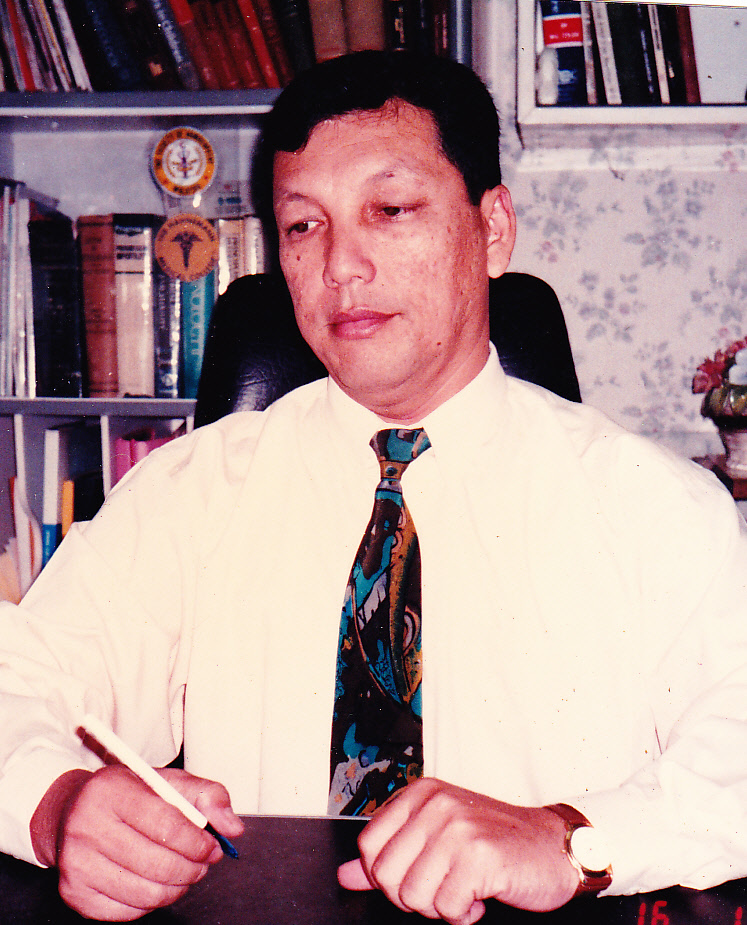
Dr Nik Omar is of the Malay Acupuncturist in Malaysia
He is busy pratising this form of Chinese Medicine among the Malays in Kelantan and Kuala Lumpur.
He also conducting courses in Acupuncture for local and foreigners alike.
You may read moer about his works at
http://www.homeopathymalaysia.org.my
Blood in Urine

Acupuncture Points for Haematuria
Blood in Urine
Du20, Ren 1, Ren 2, St 36, Li 11, Li 4
Normally it will take only few session of acupuncture to treat haematuria.
Bahasa Melayu:
Banyak sebab bagi Kencing berdarah, kemungkinan ada infeksi kuman, seperti terekan jangkitan kuman kelamin, batu karang, buah pinggang dan lain-lain. Penyakit ini tidak payah untuk dirawat. Biasanya dalam beberapa terapi sahaja gejala ini boleh disembuhkan.
Saturday, July 30, 2011
Vagina - Faraj


The vagina is an elastic, muscular canal with a soft, flexible lining that provides lubrication and sensation. The vagina connects the uterus to the outside world. The vulva and labia form the entrance, and the cervix of the uterus protrudes into the vagina, forming the interior end.
The vagina receives the penis during sexual intercourse and also serves as a conduit for menstrual flow from the uterus. During childbirth, the baby passes through the vagina (birth canal).
The hymen is a thin membrane of tissue that surrounds and narrows the vaginal opening. It may be torn or ruptured by sexual activity or by exercise.
Vagina Conditions
* Vaginitis: Inflammation of the vagina, commonly from a yeast infection or bacterial overgrowth. Itching, discharge, and change of odor are typical symptoms.
* Vaginismus: Involuntary spasm of the vaginal muscles during sexual intercourse. Emotional distress about sex, or medical conditions, can be responsible.
* Vaginal warts: Genital warts may affect the vulva or the vagina. Treatments can remove vaginal warts, which are caused by human papillomavirus (HPV).
* Trichomoniasis: Infection of the vagina by a microscopic parasite called trichomonas. Trichomoniasis is transmitted by sex and is easily curable.
* Bacterial vaginosis (BV): A disruption in the balance of healthy bacteria in the vagina, often causing odor and discharge. Douching, or sex with a new partner, seem to cause BV.
* Herpes simplex virus (HSV): The herpes virus can infect the vagina, causing small, painful, recurring blisters and ulcers. Having no noticeable symptoms is also common.
* Gonorrhea: This sexually transmitted bacterial infection most often infects the cervix. Half the time, there are no symptoms, but vaginal discharge and itching may occur.
* Chlamydia: The bacterium Chlamydia trachomatis causes this sexually transmitted infection. Only half of women will have symptoms, which may include vaginal discharge or pain in the vagina or abdomen.
* Vaginal cancer: Cancer of the vagina is extremely rare. Abnormal vaginal bleeding or discharge are symptoms.
* Vaginal prolapse: Due to weakened pelvic muscles (usually from childbirth), the rectum, uterus or bladder pushes on the vagina. In severe cases, the vagina protrudes out of the body
Acupuncture Student From Saudi Arabia, UAE, Dubai


Acupuncture Courses For Middle East Countries
Student from Middle east countries such as Saudi Arabia, UAE, Libya, Egypt, Kuwait, Iran, Turkey, Jordan, Syria, Lebanon, Palestine., Tunisia etc has chosen our academy to Study Acupuncture Course.
More detail available at
http://www.homeopathymalaysia.org.my
Cervical Spondilosis

The patient mentioned came to our Acupuncture Centre presented with neck pain radiates to both upper limbs associated with numbness and paresthesia in both hands for last 5 years. In her MRI scan, C4 / C5 discopathy has reported, but she has been advised for operation. In P/E upper limbs muscular force is 5/5 without any neulogical deficit. Currently she has been on NSAIDs but she still complains of pain.
So is under our treatment twice a week.
Acupuncture Points given: DU20, DU 13, DU 14, Du 15 and 4 ashi points.
Total acupuncture points: 9
Major Channel: Du channel.
Time given: 45 minutes
Alopecia A Case Study at Nik Omar Acupuncture Medical Centre, Kuala Lumpur

The Above ,mentioned patient presented with excessive hair loss from last 3 years.
Acupuncture points given: DU20, Liv 2, Shenhenkong, 2 Extra points.
Total Acu points: 10.
Suggested: 15 therapy once a week.
Paroxysmal Benign Vertigo

Acupuncture Therapy
Above patient presented with attack from episode of rotary vertifo which last for few minutes from 4 years. She desise tinitus and hearing loss. Her problem aggravates in certain positions or head movement. Currently she has been on 'stemetil 10 mg/PRN. This patient is undergone Acupuncture treatment at our 118 jalan Raja laut medical Centre - two session per week.
Acupuncture points given: SJ 21, LI19, GB 2, LI 4, DU 20, DU 22 and two extra.
Total acu points: 9
Vertigo & Tinnitus

Acupuncture Therapy
Name: Mazita Age 43 yrs Race: malay : Sex Female.
Acupuncture treatment: DU20, She Henkong, GB 6, Ashi Pts
Total Number of Ponts: 9
Major Channel: DU Channel.
Monday, July 25, 2011
Acupuncture For Brunei
Acupuncture For Brunei
See detail at
http://www.homeopathymalaysia.org.my
or
http://acumalay.blogspot.com
If your have 20 patient, we will come to Brunei.
See detail at
http://www.homeopathymalaysia.org.my
or
http://acumalay.blogspot.com
If your have 20 patient, we will come to Brunei.
What Is ADHD
What is ADHD?
ADHD (attention deficit hyperactivity disorder) is an ongoing behavior disorder typically diagnosed at age five or six, although the symptoms have usually been observed much earlier than this age. The three key symptoms are hyperactivity, impulsivity, and inattention. These symptoms typically interfere with the child's functioning in social and academic settings. The diagnostic criteria were outlined in 1994 in the Diagnostic and Statistical Manual of Mental Health (DSM-IV; American Psychiatric Association). To meet the diagnostic criteria, these symptoms, exemplified below, must have been present for at least six months.
Homeopathic Treatment
It is not easy to treat ADHD but if you follow homeopathic treatment for about one to two years you can see good result.
Acupuncture Treatment
Acupuncture is also natural treatment. It will take some time to see result. AS we all know not much can be given by western medication for ADHD.
It is good to follow natural treatment rather than you dont do treatment at all.
ADHD (attention deficit hyperactivity disorder) is an ongoing behavior disorder typically diagnosed at age five or six, although the symptoms have usually been observed much earlier than this age. The three key symptoms are hyperactivity, impulsivity, and inattention. These symptoms typically interfere with the child's functioning in social and academic settings. The diagnostic criteria were outlined in 1994 in the Diagnostic and Statistical Manual of Mental Health (DSM-IV; American Psychiatric Association). To meet the diagnostic criteria, these symptoms, exemplified below, must have been present for at least six months.
Homeopathic Treatment
It is not easy to treat ADHD but if you follow homeopathic treatment for about one to two years you can see good result.
Acupuncture Treatment
Acupuncture is also natural treatment. It will take some time to see result. AS we all know not much can be given by western medication for ADHD.
It is good to follow natural treatment rather than you dont do treatment at all.
Female Sexual Problems
Female Sexual Problems Causes
The causes of sexual problems are as varied and complex as the human race. Some problems stem from a simple, reversible physical problem. Others can stem from more serious medical conditions, difficult life situations, or emotional problems. Still others have a combination of causes. Any of the following can contribute to sexual problems:
Relationship problems - Discord in other aspects of the relationship, such as distribution of labor, childrearing, or money, can cause sexual problems. Issues of control or even abuse in the relationship are especially harmful to sexual harmony. Such problems can prevent a woman from communicating her sexual wants and needs to her partner.
Emotional problems - Depression, anxiety (about sex or other things), stress, resentment, and guilt can all affect a woman's sexual function.
Insufficient stimulation - A woman's (or her partner's) lack of knowledge about sexual stimulation and response may prevent a woman from achieving a satisfactory experience. Poor communication between partners can also be a culprit here.
Gynecologic problems - A number of pelvic disorders can cause pain in intercourse and thus decrease satisfaction.
Vaginal dryness - The most common reason for this in younger women is insufficient stimulation. In older women, the decrease in estrogen that occurs in menopause is the cause of vaginal dryness. Poor lubrication can also be linked to hormone imbalances and other illnesses and to certain medications. It can inhibit arousal or make intercourse uncomfortable.
Vaginismus - This is a painful spasm of the muscles surrounding the vaginal opening that causes the vaginal opening to "tighten." It can prevent penetration or make penetration extremely painful. Vaginismus can be caused by injuries or scars from surgery, abuse, or childbirth, by infection, or by irritation from douches, spermicides, or condoms. It can also be caused by fear.
Sexually transmitted diseases - Gonorrhea, herpes, genital warts, chlamydia, and syphilis are infectious diseases spread by sexual contact. They can cause changes in the genitals that make sex uncomfortable or even painful.
Vaginitis - Inflammation and irritation of vaginal tissues due to infection or other causes can make intercourse uncomfortable or painful.
Endometriosis, pelvic mass, ovarian cyst, surgical scars - Any of these can cause an obstruction that prevents intercourse or makes it difficult or painful.
Pelvic inflammatory disease - This is an infection of the vagina that moves up into the cervix, uterus, and ovaries. It can be very painful on its own and make intercourse extremely painful.
Nerve damage after surgery - Unavoidable cutting of small nerves during pelvic surgery (such as hysterectomy) may decrease sensation and response.
Physical conditions - Many physical or medical conditions can decrease a woman's satisfaction with her sex life.
Tiredness (fatigue)
Chronic diseases such as diabetes, heart disease, liver disease, kidney disease
Cancer
Neurologic disorders
Vascular (blood flow) disorders
Hormonal imbalances
Menopause
Pregnancy
Alcohol or drug abuse
Medications - Certain medications can reduce desire or arousal. One well-known group of drugs that have this effect are the selective serotonin-reuptake inhibitor (SSRI) group of antidepressants, which includes drugs such as Prozac and Zoloft. Others include certain chemotherapy drugs, drugs for high blood pressure, and antipsychotic medications.
Other medical treatments - Treatments such as radiation therapy for certain types of cancer can reduce vaginal lubrication. They can also make skin and the membranes lining the genitals tender and sensitive.
History of abuse - A woman who has suffered sexual or other abuse may have trouble trusting her partner enough to relax and become aroused. She may have feelings of fear, guilt, or resentment that get in the way of a satisfactory experience, even if she cares deeply about her current partner.
Attitudes toward sex - Many people, either because of the way they were brought up or because of earlier bad experiences, don't view sex as a normal and enjoyable part of a couple's relationship. They may associate sex or sexual feelings with shame, guilt, fear, or anger. On the other hand are people who have unrealistic expectations about sex. Portrayals of sex in television and movies as always easy and fantastic mislead some people into believing that is how it is in real life. These people are disappointed or even distressed when sex is sometimes not earth-shattering or when a problem occurs.
Sexual problems of the partner - If a woman's partner has sexual problems, such as impotence or lack of desire, this can inhibit her own satisfaction.
Homeopathic & Sexual Treatment in Ladies
Consult your nearest homeopath for consultation and treatment
At Kuala Lumpur call 03 4042 2020
The causes of sexual problems are as varied and complex as the human race. Some problems stem from a simple, reversible physical problem. Others can stem from more serious medical conditions, difficult life situations, or emotional problems. Still others have a combination of causes. Any of the following can contribute to sexual problems:
Relationship problems - Discord in other aspects of the relationship, such as distribution of labor, childrearing, or money, can cause sexual problems. Issues of control or even abuse in the relationship are especially harmful to sexual harmony. Such problems can prevent a woman from communicating her sexual wants and needs to her partner.
Emotional problems - Depression, anxiety (about sex or other things), stress, resentment, and guilt can all affect a woman's sexual function.
Insufficient stimulation - A woman's (or her partner's) lack of knowledge about sexual stimulation and response may prevent a woman from achieving a satisfactory experience. Poor communication between partners can also be a culprit here.
Gynecologic problems - A number of pelvic disorders can cause pain in intercourse and thus decrease satisfaction.
Vaginal dryness - The most common reason for this in younger women is insufficient stimulation. In older women, the decrease in estrogen that occurs in menopause is the cause of vaginal dryness. Poor lubrication can also be linked to hormone imbalances and other illnesses and to certain medications. It can inhibit arousal or make intercourse uncomfortable.
Vaginismus - This is a painful spasm of the muscles surrounding the vaginal opening that causes the vaginal opening to "tighten." It can prevent penetration or make penetration extremely painful. Vaginismus can be caused by injuries or scars from surgery, abuse, or childbirth, by infection, or by irritation from douches, spermicides, or condoms. It can also be caused by fear.
Sexually transmitted diseases - Gonorrhea, herpes, genital warts, chlamydia, and syphilis are infectious diseases spread by sexual contact. They can cause changes in the genitals that make sex uncomfortable or even painful.
Vaginitis - Inflammation and irritation of vaginal tissues due to infection or other causes can make intercourse uncomfortable or painful.
Endometriosis, pelvic mass, ovarian cyst, surgical scars - Any of these can cause an obstruction that prevents intercourse or makes it difficult or painful.
Pelvic inflammatory disease - This is an infection of the vagina that moves up into the cervix, uterus, and ovaries. It can be very painful on its own and make intercourse extremely painful.
Nerve damage after surgery - Unavoidable cutting of small nerves during pelvic surgery (such as hysterectomy) may decrease sensation and response.
Physical conditions - Many physical or medical conditions can decrease a woman's satisfaction with her sex life.
Tiredness (fatigue)
Chronic diseases such as diabetes, heart disease, liver disease, kidney disease
Cancer
Neurologic disorders
Vascular (blood flow) disorders
Hormonal imbalances
Menopause
Pregnancy
Alcohol or drug abuse
Medications - Certain medications can reduce desire or arousal. One well-known group of drugs that have this effect are the selective serotonin-reuptake inhibitor (SSRI) group of antidepressants, which includes drugs such as Prozac and Zoloft. Others include certain chemotherapy drugs, drugs for high blood pressure, and antipsychotic medications.
Other medical treatments - Treatments such as radiation therapy for certain types of cancer can reduce vaginal lubrication. They can also make skin and the membranes lining the genitals tender and sensitive.
History of abuse - A woman who has suffered sexual or other abuse may have trouble trusting her partner enough to relax and become aroused. She may have feelings of fear, guilt, or resentment that get in the way of a satisfactory experience, even if she cares deeply about her current partner.
Attitudes toward sex - Many people, either because of the way they were brought up or because of earlier bad experiences, don't view sex as a normal and enjoyable part of a couple's relationship. They may associate sex or sexual feelings with shame, guilt, fear, or anger. On the other hand are people who have unrealistic expectations about sex. Portrayals of sex in television and movies as always easy and fantastic mislead some people into believing that is how it is in real life. These people are disappointed or even distressed when sex is sometimes not earth-shattering or when a problem occurs.
Sexual problems of the partner - If a woman's partner has sexual problems, such as impotence or lack of desire, this can inhibit her own satisfaction.
Homeopathic & Sexual Treatment in Ladies
Consult your nearest homeopath for consultation and treatment
At Kuala Lumpur call 03 4042 2020
Friday, July 22, 2011
Battlefield Acupuncture


Battlefield Acupuncture (BA) is being used by the military in Iraq and Afghanistan. Administered when Western medicine can’t be used, BA is one of the strongest protocols for pain reduction, faster than most Western medicine. Results can be seen in minutes. The BA protocol was created by Dr. Richard Niemtzow, the first and only full-time acupuncturist in the Armed Forces. The teaching materials used in this course were derived from meetings, discussions and clinical observations between Dr. Niemtzow and your instructor, John Howard, L.Ac. John has been training under Dr. Niemtzow for five years assisting with this protocol hundreds of times. He also co-taught BA with Dr. Niemtzow the last time this training was offered in 2007.
You will learn the history of BA, when it’s appropriate to use, and the outcome you should expect. During the afternoon clinical portion the technique will be demonstrated on patients. Following patient treatments, you will have the opportunity to practice and perfect the technique.
Acupuncture Used In Afghanistan Among Malaysia Doctors With Barriers
In 1977 - 1988 Malaysian Homeopathic Medical Practitioners Association [ MRHP] under the leadership of Dr Nik Omar sent a team of Malaysian comprising of 4 volunteers. The team privide free medical camps along Pakistan - Afghan border.
The team provide acupuncture treatment for wounded Mujahideen and the refugees. Acupuncture seem to works very well with as tool for pain killer when pain killer pills are not available in those areas.
More detail can be read from
http://www.homeopathymalaysia.org.my
Autoimmune Diseases & Acupuncture

Autoimmune diseases are a group of disorders in which the immune system attacks the body and destroys or alters tissues. There are more than eighty serious chronic illnesses in this category including rheumatoid arthritis, type 1 diabetes, lupus, thyroid disease, inflammatory bowel disease, Addison's disease, pernicious anemia, celiac disease, multiple sclerosis, myasthenia gravis and Guillain-Barré syndrome.
Due to the complexity of treating autoimmune disorders, integrative medicine solutions including acupuncture and Oriental medicine have received much attention as successful therapies in their treatment particularly for use in providing pain relief, regulating the immune system, managing symptoms and improving overall quality of life.
According to Oriental medicine, autoimmune disorders occur when there is imbalance within the body. Imbalance can come from an excess or deficiency of yin and yang that disrupts the flow of Qi, or vital energy, through the body.
Acupuncture is used to help the body restore balance, treating the root of the disorder, while specifically addressing the symptoms that are unique to each individual.
Bahasa Melayu:
Rawatan akupunktur memang sesuai untuk merawat sebagai penyakit yang dinamakan sebagai ' Autoimmune Disease' dimana bila tenaga dalam seseorang itu tidak seimbang atau lebih dekenali sebagai lemah tenaga 'chi' maka terjadilah penyakit seperti ketidak seimbangan dalam badan menyebabkan badan menjadi lemah, tidak bermaya, kaki tangan kebas, tidak boleh tidur malam, urat saraf lemah dan sakit-sakit.
Maka rawatan yang baik untuk mengatasi masalah ini ialah dengan menggunakan rawatan akupunktur.
Di Kuala Lumpur atau kelantan anda akan berjumpa dengan Pengamal Akupunktur Melayu tel 03 4042 2020 atau 013 931 4166
Sunday, July 3, 2011
The Best of Acupuncture Treatment

Acupuncture means to prick with sharp object.
Acupuncture @ akupunktur therapy generally produces a feeling of relaxation and well being. Occasionally, a slight increase in symptoms can occur but this is generally moderate and very temporary. Result can be remarkably quick in some cases, but often they will take time.
Several treatment are required before result can be expected, as the body gradually adjusts to the rebalanced of the body's organ systems brought about by the acupuncture treatment.
Moxibustion


Moxibustion means heat, it has been practise all over the world especially in colder countries or mountainous region and frequently attacked by piecing cold winds, surrounded by scathing, in the primitive tribes, people used to warm themselves with fire, they accidentally discovered that applying heat to scorching the abdominal region at night relief the symptoms of abdominal pain, distension and fullness. Based on these observation hot pressing and moxibustion method were developed and used for the treatment of illness and pain.
From The Book " The Clinical Acupuncture & Moxibustion " The Classical Chinese Medicine Written by Prof Dr Nik Omar & Nik Fairuz Hakim
Does Acupuncture For Infertility Treatment Really Work?
Of course, this is the most important question that people ask. Several recent studies prove that it does work. Acupuncture itself can help to improve the rate of conception for couples who struggle with infertility. On top of that, acupuncture can generally improve the rate of conception for couples who use artificial reproductive technologies, such as in vitro fertilization.
So, How Does It Work?
Eastern medicine has its own share of explanations for how acupuncture works. The Western medicine is not very sure about how it works. But, for a fact we do know that acupuncture for infertility has the following effects, and that those effects improve your chances of conceiving:
Acupuncture for infertility helps to increase blood flow to the uterus, which improves uterine wall thickness prior to implantation.
First of all, it can help to increase endorphins. Increased endorphin levels will cause gonadotropin releasing hormone (GnRH) to be released which GnRH helps regulate the reproductive cycle in women.
Acupuncture also decreases the level of stress hormones and stress hormones obstruct with uterine blood flow and reproductive hormone release.
Acupuncture for infertility regulates the hypothalamus-pituitary-ovarian axis, which also regulates reproductive hormone levels.
Who Should Go For Acupuncture For Infertility Treatment?
Acupuncture best works for couples who have a functional type of infertility, which means that they do not have structural abnormalities in their reproductive systems.
Some clinics also recommend that the woman have an acupuncture treatment in in-vitro fertilization just before having the fertilized egg injected into her uterus. With this way, it seems to help the egg implant into the uterine wall.
What Are The Concerns With Acupuncture For Infertility Treatment?
Basically, there are no known problems with acupuncture itself. Some acupuncture practitioners do use other non-traditional remedies together with acupuncture. Herbal treatments may disrupt the delicate hormonal balance that is necessary for conception. So, before you start using any herbal remedies, make sure that you talk to your regular doctor first.
What Are The Resources Of Acupuncture For Infertility Treatment?
The problem with acupuncture is that there are no standards for acupuncture certification or training. And, if you need acupuncture for infertility treatment, it is best that you ask your doctor for a recommendation. Many infertility clinics also offer acupuncture as part of their treatment. But, to determine if they are qualified, request to see referrals and/or testimonials of their previous clients.
Further Reading
http://www.homeopathymalaysia.org.my
Find a reliable acupuncturist near you
At Kuala lumpur call 03 4042 2020
Shah Aam 013 3914166
Bangi, Damansara Utama, Kelantan Area call 0199444420
Of course, this is the most important question that people ask. Several recent studies prove that it does work. Acupuncture itself can help to improve the rate of conception for couples who struggle with infertility. On top of that, acupuncture can generally improve the rate of conception for couples who use artificial reproductive technologies, such as in vitro fertilization.
So, How Does It Work?
Eastern medicine has its own share of explanations for how acupuncture works. The Western medicine is not very sure about how it works. But, for a fact we do know that acupuncture for infertility has the following effects, and that those effects improve your chances of conceiving:
Acupuncture for infertility helps to increase blood flow to the uterus, which improves uterine wall thickness prior to implantation.
First of all, it can help to increase endorphins. Increased endorphin levels will cause gonadotropin releasing hormone (GnRH) to be released which GnRH helps regulate the reproductive cycle in women.
Acupuncture also decreases the level of stress hormones and stress hormones obstruct with uterine blood flow and reproductive hormone release.
Acupuncture for infertility regulates the hypothalamus-pituitary-ovarian axis, which also regulates reproductive hormone levels.
Who Should Go For Acupuncture For Infertility Treatment?
Acupuncture best works for couples who have a functional type of infertility, which means that they do not have structural abnormalities in their reproductive systems.
Some clinics also recommend that the woman have an acupuncture treatment in in-vitro fertilization just before having the fertilized egg injected into her uterus. With this way, it seems to help the egg implant into the uterine wall.
What Are The Concerns With Acupuncture For Infertility Treatment?
Basically, there are no known problems with acupuncture itself. Some acupuncture practitioners do use other non-traditional remedies together with acupuncture. Herbal treatments may disrupt the delicate hormonal balance that is necessary for conception. So, before you start using any herbal remedies, make sure that you talk to your regular doctor first.
What Are The Resources Of Acupuncture For Infertility Treatment?
The problem with acupuncture is that there are no standards for acupuncture certification or training. And, if you need acupuncture for infertility treatment, it is best that you ask your doctor for a recommendation. Many infertility clinics also offer acupuncture as part of their treatment. But, to determine if they are qualified, request to see referrals and/or testimonials of their previous clients.
Further Reading
http://www.homeopathymalaysia.org.my
Find a reliable acupuncturist near you
At Kuala lumpur call 03 4042 2020
Shah Aam 013 3914166
Bangi, Damansara Utama, Kelantan Area call 0199444420
Weight Loss With Acupuncture

By Soila
I was overweight for ten years. I'd tried Weight Watchers, Slim-Fast, Etc, Etc...
With acupuncture, I was able to control my appetite, and eat smaller portions-turn down sweets-stop thinking about food all the time.
I feel real good, my self esteem is terrific, I have a lot of energy now, I'm happy! And most of all everyone here (at the acupuncture office) have been real nice & supportive.
THANKS GUYS!! Oh yea! GIRLS
Soila
Age 56
Acupuncture Is Popular, but You Need To Pay
Acupuncture Is Popular, but You’ll Need to Pay
By LESLEY ALDERMAN
Published: May 7, 2010
WHEN Divya Kumar was having trouble getting pregnant four years ago, she meticulously tracked her menstrual cycles and found something was amiss. She was ovulating late, on Day 22, instead of on the more normal Day 14.
Enlarge This Image
Ruby Washington/The New York Times
Some acupuncture schools, like the Pacific College of Oriental Medicine in Manhattan, offer treatment by supervised students for discounted rates. Holly Crafts Colasanti works on a fellow student, Patrick Kelley.
Well
Ms. Kumar, then 29, went to see an obstetrician-gynecologist for help.
“The doctor said there wasn’t anything she could do for me because I was under age 35 and had been trying to conceive for less than year — even though it was clear something was not quite right,” Ms. Kumar explained. “She said, ‘come back in a year.’ ”
Ms. Kumar, who has a master’s degree in public health and lives in Jamaica Plain, Mass., decided to try an alternative. She went to see an acupuncturist who said, “I can help; give me 12 weeks.”
Because her insurer, like most, did not cover acupuncture, Ms. Kumar had to pay for the $70 weekly treatments she hoped would put her cycle on a more normal schedule. After the first few treatments, that seemed to be working. Two months later, Ms. Kumar was pregnant. There is no way of knowing for sure whether it was the acupuncture or the gynecologist’s keep-on-trying advice that helped Ms. Kumar conceive.
But a growing number of people are turning to acupuncture for help with conditions including infertility, chronic pain, depression and menopause symptoms. And they are turning to it even though financially it remains a largely out-of-pocket form of health care.
In a 2007 survey, 3.1 million adults reported using acupuncture in the previous 12 months, up from 2.1 million in a 2002 survey, according to the government’s National Center for Complementary and Alternative Medicine, a unit of the National Institutes of Health.
The center’s Web site is mainly neutral on the question of acupuncture’s effectiveness, and it urges people to go to a medical doctor — not an acupuncturist — to have a medical condition diagnosed. Acupuncture can have a powerful effect on your system, but serious ailments typically require a dose of Western medicine, like a course of antibiotics, a prescription-strength pain killer or even surgery.
Still, there are a handful of well-respected studies indicating that acupuncture can be an effective treatment for a range of conditions, like chronic headaches, osteoarthritis, depression in pregnancy and low back pain.
Western doctors are beginning to embrace it, sometimes sending their patients to acupuncturists for specific conditions. And the federal Food and Drug Administration takes it at least seriously enough to regulate acupuncture needles for use by licensed practitioners.
But insurers have been reluctant to cover acupuncture. And even in the relatively rare instances when insurers do, they might pay for only a few visits or a specific condition.
Ms. Kumar was able to get a financial break by using money from her flexible spending account at work. “It was expensive,” she said, “but probably not as expensive as infertility treatments would have been.”
When she was ready to have a second child, she again went to her acupuncturist, Claire McManus, and became pregnant within months.
Proponents say that acupuncture, in addition to helping treat existing conditions, can also help prevent problems from occurring in the first place. Some devotees of acupuncture even say they believe treatments keep them healthy and out of the doctor’s office, potentially saving them money.
“We’re seeing a small but growing number of clients come to our clinic for wellness tune-ups,” said Angela Grasso, director of clinical services at the Pacific College of Oriental Medicine in Manhattan, which is accredited by the Accrediting Commission of Career Schools and Colleges and trains students to become licensed acupuncturists.
To receive a license to practice acupuncture in New York State, one must have completed 4,050 hours of course work, done 650 hours of clinical training and treated 250 patients. Once students have completed those requirements, they must pass a national certification examination in acupuncture.
Marcus Berardino, 41, a massage therapist and yoga instructor in Brooklyn, swears by the acupuncture treatments he receives regularly. “Combined with other natural remedies like biking, healthy eating and a little daily meditating,” he said, “it keeps me healthy and fairly balanced.”
Some hospitals are beginning to offer acupuncture to inpatients for pain and anxiety.
“When patients receive acupuncture before or after surgery, their anxiety is less, and their pain is reduced,” said Arya Nielsen, director of the acupuncture fellowship program at Beth Israel Medical Center in Manhattan. “They need less pain medication and so have less side effects from the medication.”
Beth Israel patients receive their acupuncture treatments free through the postgraduate fellowship program run by Dr. Nielsen, who has doctorate in the philosophies of medicine.
see acupuncture at Kuala Lumpur
call 03 4042 2020
By LESLEY ALDERMAN
Published: May 7, 2010
WHEN Divya Kumar was having trouble getting pregnant four years ago, she meticulously tracked her menstrual cycles and found something was amiss. She was ovulating late, on Day 22, instead of on the more normal Day 14.
Enlarge This Image
Ruby Washington/The New York Times
Some acupuncture schools, like the Pacific College of Oriental Medicine in Manhattan, offer treatment by supervised students for discounted rates. Holly Crafts Colasanti works on a fellow student, Patrick Kelley.
Well
Ms. Kumar, then 29, went to see an obstetrician-gynecologist for help.
“The doctor said there wasn’t anything she could do for me because I was under age 35 and had been trying to conceive for less than year — even though it was clear something was not quite right,” Ms. Kumar explained. “She said, ‘come back in a year.’ ”
Ms. Kumar, who has a master’s degree in public health and lives in Jamaica Plain, Mass., decided to try an alternative. She went to see an acupuncturist who said, “I can help; give me 12 weeks.”
Because her insurer, like most, did not cover acupuncture, Ms. Kumar had to pay for the $70 weekly treatments she hoped would put her cycle on a more normal schedule. After the first few treatments, that seemed to be working. Two months later, Ms. Kumar was pregnant. There is no way of knowing for sure whether it was the acupuncture or the gynecologist’s keep-on-trying advice that helped Ms. Kumar conceive.
But a growing number of people are turning to acupuncture for help with conditions including infertility, chronic pain, depression and menopause symptoms. And they are turning to it even though financially it remains a largely out-of-pocket form of health care.
In a 2007 survey, 3.1 million adults reported using acupuncture in the previous 12 months, up from 2.1 million in a 2002 survey, according to the government’s National Center for Complementary and Alternative Medicine, a unit of the National Institutes of Health.
The center’s Web site is mainly neutral on the question of acupuncture’s effectiveness, and it urges people to go to a medical doctor — not an acupuncturist — to have a medical condition diagnosed. Acupuncture can have a powerful effect on your system, but serious ailments typically require a dose of Western medicine, like a course of antibiotics, a prescription-strength pain killer or even surgery.
Still, there are a handful of well-respected studies indicating that acupuncture can be an effective treatment for a range of conditions, like chronic headaches, osteoarthritis, depression in pregnancy and low back pain.
Western doctors are beginning to embrace it, sometimes sending their patients to acupuncturists for specific conditions. And the federal Food and Drug Administration takes it at least seriously enough to regulate acupuncture needles for use by licensed practitioners.
But insurers have been reluctant to cover acupuncture. And even in the relatively rare instances when insurers do, they might pay for only a few visits or a specific condition.
Ms. Kumar was able to get a financial break by using money from her flexible spending account at work. “It was expensive,” she said, “but probably not as expensive as infertility treatments would have been.”
When she was ready to have a second child, she again went to her acupuncturist, Claire McManus, and became pregnant within months.
Proponents say that acupuncture, in addition to helping treat existing conditions, can also help prevent problems from occurring in the first place. Some devotees of acupuncture even say they believe treatments keep them healthy and out of the doctor’s office, potentially saving them money.
“We’re seeing a small but growing number of clients come to our clinic for wellness tune-ups,” said Angela Grasso, director of clinical services at the Pacific College of Oriental Medicine in Manhattan, which is accredited by the Accrediting Commission of Career Schools and Colleges and trains students to become licensed acupuncturists.
To receive a license to practice acupuncture in New York State, one must have completed 4,050 hours of course work, done 650 hours of clinical training and treated 250 patients. Once students have completed those requirements, they must pass a national certification examination in acupuncture.
Marcus Berardino, 41, a massage therapist and yoga instructor in Brooklyn, swears by the acupuncture treatments he receives regularly. “Combined with other natural remedies like biking, healthy eating and a little daily meditating,” he said, “it keeps me healthy and fairly balanced.”
Some hospitals are beginning to offer acupuncture to inpatients for pain and anxiety.
“When patients receive acupuncture before or after surgery, their anxiety is less, and their pain is reduced,” said Arya Nielsen, director of the acupuncture fellowship program at Beth Israel Medical Center in Manhattan. “They need less pain medication and so have less side effects from the medication.”
Beth Israel patients receive their acupuncture treatments free through the postgraduate fellowship program run by Dr. Nielsen, who has doctorate in the philosophies of medicine.
see acupuncture at Kuala Lumpur
call 03 4042 2020
Study Acupuncture, One Needle Prick at a Time

WELL; Studying Acupuncture, One Needle Prick at a Time
By TARA PARKER-POPE
Published: August 24, 2010
For at least 2,000 years Chinese healers have used acupuncture to treat pain and other ailments. Now Western doctors want proof that it works.
There is little dispute that people feel better after receiving the treatment, in which thin needles are inserted deeply into the skin at specific points on the body. But are they benefiting from acupuncture itself, or just getting a placebo effect?
The debate was fueled last week by a study in the journal Arthritis Care and Research. Researchers from MD Anderson Cancer Center in Houston found that among 455 patients with painful knee arthritis, acupuncture delivered no more relief than a sham treatment.
Actually, patients got significant pain relief from both treatments - an average reduction of one point on a scale of 1 to 7. And critics contend that the study was poorly designed.
For one thing, they note, patients in both groups received treatment with needles and electrical stimulation; the main difference was that in the sham group, the needles were not inserted as deeply and the stimulation was far shorter in duration.
In the real world, however, a trained acupuncturist would customize the treatment to a patient's specific symptoms. But in this study, the patients in the ''real'' acupuncture group all received needles inserted in the same way.
Rather than proving that acupuncture does not work, in other words, the study may suggest that it works even when administered poorly. But the real lesson, acupuncture supporters say, is how difficult it can be to apply Western research standards to an ancient healing art.
''People argue that there really are no inactive acupuncture points - pretty much wherever you put a needle in the body is an active point,'' said Dr. Alex Moroz, a trained acupuncturist who directs the musculoskeletal rehabilitation program at New York University. ''There is a body of literature that argues that the whole approach to studying acupuncture doesn't lend itself to the Western reductionist scientific method.''
But the study's lead author, Dr. Maria E. Suarez-Almazor, notes that the sham treatment was developed with the help of trained acupuncturists. In a drug study, an equal response in the treatment and placebo groups would prove the drug does not work, she says.
''We really worked with acupuncturists who are trained in the Chinese traditional style and asked them to come up with a sham that could be credible,'' Dr. Suarez-Almazor said. ''We didn't plan a study trying to show that acupuncture didn't work. The results came out with no difference between the groups.''
The MD Anderson research and other recent acupuncture studies have fueled speculation that the prick of a needle, whether from real acupuncture or a sham version, can influence the way the body processes and transmits pain signals. A 2007 study of 1,200 back-pain patients, financed by insurance companies in Germany, showed that about half the patients in both real and sham acupuncture groups had less pain after treatment, compared with only 27 percent of those receiving physical therapy or other traditional back care.
When the German researchers tracked how much pain medicine the patients used, they detected a noticeable difference between real acupuncture and the sham treatment. Only 15 percent of patients in the acupuncture group required extra pain drugs, compared with 34 percent in the sham group. The group receiving conventional back therapy fared even worse than those receiving fake acupuncture: 59 percent of those patients needed extra pain pills.
The researchers, who published their findings in Archives of Internal Medicine, speculated that inserting needles in or around an area of pain may have caused a ''super placebo'' effect, touching off a series of reactions that changed the way the body experienced pain.
Still another study, this one financed by the National Institutes of Health and published in 2004, found that acupuncture significantly reduced pain and improved function in knee arthritis patients compared with a sham treatment or routine knee care.
Heart Attack and drinking Water
Heart Attacks And Drinking Warm Water
undefined
This is a very good article.
Not only about the warm water after your
meal, but about Heart Attacks.
The Chinese and Japanese drink hot
tea with their meals, not cold water,
maybe it is time we adopt their drinking
habit while eating.
undefined
For those who like to drink cold water,
this article is applicable to you. It is nice
to have a cup of cold drink after a meal.
However, the cold water will solidify the
oily stuff that you have just consumed.
It will slow down the digestion. Once
this 'sludge' reacts with the acid, it will
break down and be absorbed by the
intestine faster than the solid food. It
will line the intestine. Very soon, this
will turn into fats and lead to cancer.
It is best to drink hot soup or warm
water after a meal.
Common Symptoms Of Heart Attack...
A serious note about heart attacks –
You! should know that not every heart
attack symptom is going to be theleft arm
hurting . Be aware of intense pain in the
jaw line.
You may never have the first chest pain
during the course of a heart attack.
Nausea and intense sweating are also
common symptoms. 60% of people who
have a heart attack while they are asleep
do not wake up. Pain in the jaw can wake
you from a sound sleep. Let's be careful
and be aware. So, please be a true friend and send this
article to all your friends you care about.
I JUST DID
[http://ls.gd/3191]
undefined
This is a very good article.
Not only about the warm water after your
meal, but about Heart Attacks.
The Chinese and Japanese drink hot
tea with their meals, not cold water,
maybe it is time we adopt their drinking
habit while eating.
undefined
For those who like to drink cold water,
this article is applicable to you. It is nice
to have a cup of cold drink after a meal.
However, the cold water will solidify the
oily stuff that you have just consumed.
It will slow down the digestion. Once
this 'sludge' reacts with the acid, it will
break down and be absorbed by the
intestine faster than the solid food. It
will line the intestine. Very soon, this
will turn into fats and lead to cancer.
It is best to drink hot soup or warm
water after a meal.
Common Symptoms Of Heart Attack...
A serious note about heart attacks –
You! should know that not every heart
attack symptom is going to be theleft arm
hurting . Be aware of intense pain in the
jaw line.
You may never have the first chest pain
during the course of a heart attack.
Nausea and intense sweating are also
common symptoms. 60% of people who
have a heart attack while they are asleep
do not wake up. Pain in the jaw can wake
you from a sound sleep. Let's be careful
and be aware. So, please be a true friend and send this
article to all your friends you care about.
I JUST DID
[http://ls.gd/3191]


Two Student From Thailand Qualified As Acupuncturist From Our Academy


Mr Sommai Phokamnerd and Miss phanatchakorn Ubonjinda started their Acupuncture Courses in January 2008 and they have been practising acupuncture, spa and Thai tarditional massage fro last 6 years and today both of them has qualified as an Acupuncturist with distintion
Both of them has presented a thesis on Acupuncture
Mr Sommai Phokanerd has presented Acupuncture The art and Science
Miss Phanatchakorn Ubonjinda presented Acupuncture , Future medicine.
Further detail for Acupuncture Courses read
http://www.homeopathymalaysia.org.my
Azoospermia


Tidak Ada Benih Spermia
Air Mani Tidak Ada
No Sperma - Nil - Azoospermia
A Testimonial from a patient Mr Amsyari Zarir Abdul Shakur Age: 29th yrs
Record From Homeopathic Clin Dr Nik Omar, Bangi, Selangor.
" I was married for 4 years with no child. I went to consult a doctor to get a baby. They check both me and my wife. They take my sperm and do the 'sperm analysis' and found out that I have no sperm - sperm nil and the doctor told me that I m suffering from 'Azoospermia'
" I m not satisfied with the first result and went for another doctor who did the same test ' Sperm Analysis' and agin got the same answer ' No Sperm seen' Azoospermia.
The doctor advised me to do IVF or just take adopted child. IVF cost RM 20 thousand which is too much for me and adopted child too cannot be accepted to my wife."
" I dont give up and try to search in web other alternatives and found out Prof Dr Nik Omar Method of Infertility -HTI P 2000. I called him and make an appointment to see him at his Bangi Clinic.
On 12 July 2009
On my first consultation Prof Dr Nik Omar ask me a lot questions and advised me to take homeopathic pill for 2 years which I agreed.
I continue my treatment with him and take the pill every two week for 6 months and my wife confirmed pregnant and on 24 September 2010 my wife delivered my first homeopathic daughter by the name of Miss Syafiqah Imaniyah.
My advise to those patient who suffered from Azoospermia, please dont give up 'Homeopathy and acupuncture ' is another way to get baby.
Azoopermia can be cured !!
Thank You: From Mr. Amsyari Zariri Record No. 5065 Bangi
Subscribe to:
Posts (Atom)